

Home > Health Information > GLP-1 medicines and weight
GLP-1 medicines and weight: what they are, and what they are not
Plain information for patients in Singapore about a group of prescription medicines used in the treatment of obesity, where they fit among the other options, and their risks.
This is general health information, not medical advice and not an offer of treatment. These medicines are prescription-only in Singapore. They are not suitable for everyone, and whether any treatment is appropriate for you can only be decided by a doctor who has assessed you.
On this page
What GLP-1 receptor agonists are
GLP-1 stands for glucagon-like peptide-1, a hormone the gut releases after a meal. It helps signal fullness, slows how quickly the stomach empties, and prompts the pancreas to release insulin when blood sugar rises.
GLP-1 receptor agonists are medicines that mimic that hormone. They were developed for type 2 diabetes, and some were later registered for the treatment of obesity as well. A newer group acts on a second gut hormone, GIP, in addition to GLP-1. In Singapore they are given as a weekly or daily injection under the skin, and one is available as a tablet. The active ingredients registered here include liraglutide, semaglutide and tirzepatide.
All of them are prescription-only medicines. That is a legal classification: they may be supplied only on a doctor's prescription, after a consultation, because the decision to use them depends on a clinical assessment of the individual patient.
How they affect appetite and weight
People describe the main effect as feeling full sooner and staying full for longer, and thinking about food less. Eating less follows from that, rather than from willpower. Slower stomach emptying contributes, which is also why the common side effects are digestive.
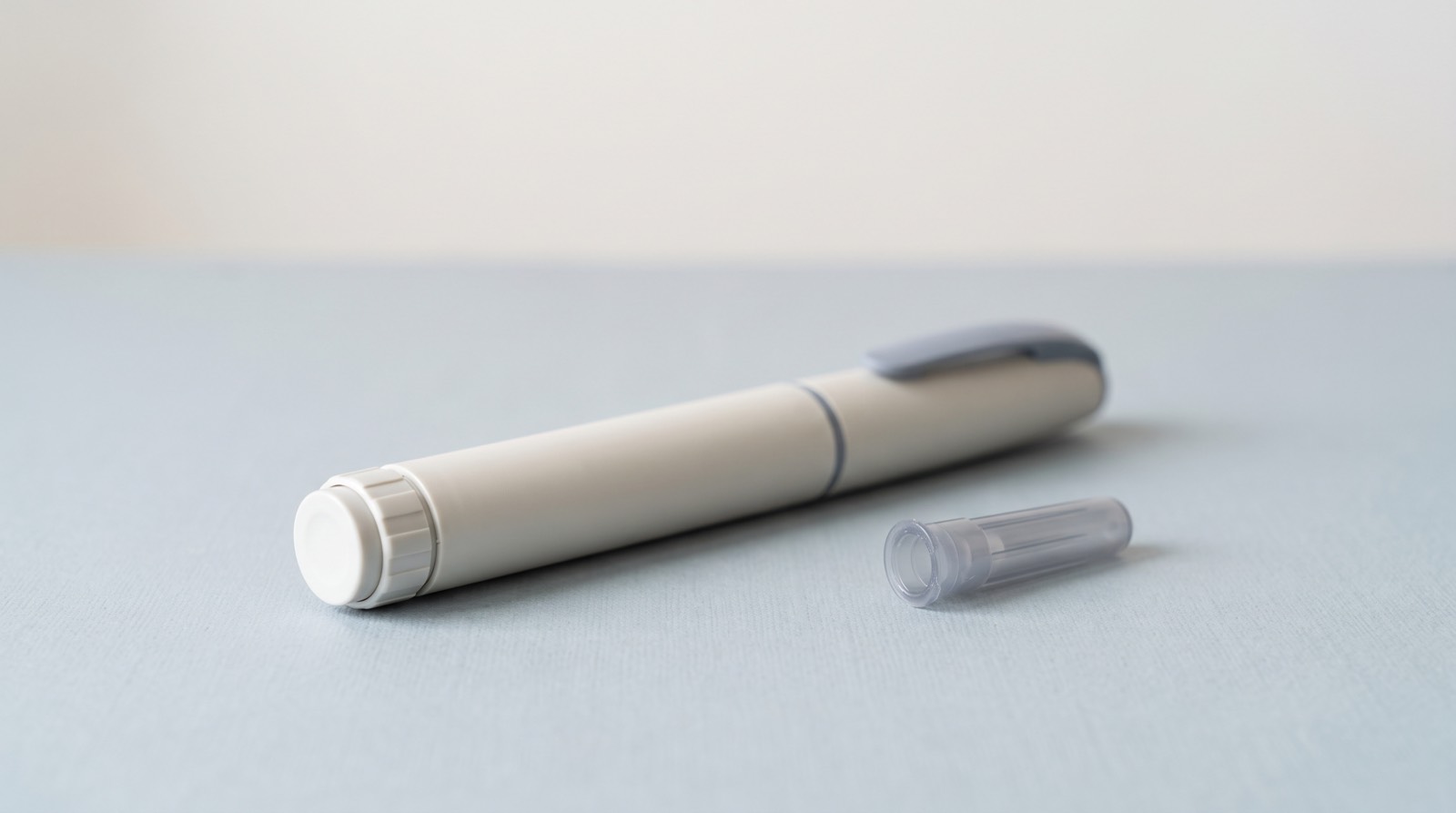
Most are given as an injection into the fat just under the skin of the abdomen, thigh or upper arm, using a pen-style injector with a very short, fine needle rather than a conventional syringe. One is taken as a tablet. Patients are shown how to use the pen before they start.
The effect lasts while the medicine is being taken. These medicines treat the condition; they do not cure it.
What the evidence shows, and what it does not
In randomised clinical trials, adults with obesity who took these medicines alongside diet and activity changes lost substantially more weight on average than those given a dummy injection with the same diet and activity advice. Trials of some of these medicines have also reported improvements in blood sugar control and blood pressure, and one large trial in patients with existing cardiovascular disease reported a reduction in cardiovascular events.
What the evidence does not show is a predictable result for any individual. Average results in a trial are not a forecast for one person: response varies widely, some people respond very little, and some cannot tolerate the medicine. Trial participants also received structured dietary and activity support throughout, which is part of why they did well.
Where they sit among the other options
Medicine is one part of treating obesity, not the whole of it. The recognised options are:
- Diet, physical activity and sleep. The foundation of every approach, including treatment with medicine, and the part that determines whether any gains last.
- Treating contributing conditions and reviewing medicines that promote weight gain, such as some treatments for diabetes, mood disorders and epilepsy.
- Prescription medicines. Besides the GLP-1 group, other classes are registered in Singapore, including appetite suppressants and medicines that reduce fat absorption. They differ in how they are taken, their side effects and who they suit.
- Bariatric and metabolic surgery, for selected patients, usually where obesity is severe or where medical treatment has not achieved enough.
Which of these is appropriate, if any, depends on your BMI, the conditions you have, what you have already tried, and your own preferences after a discussion with your doctor.
Side effects and risks
The common side effects are digestive: nausea, vomiting, diarrhoea, constipation, indigestion and abdominal discomfort. They are usually worst when starting treatment or increasing a dose, and often settle. Dose is normally increased gradually for this reason.
Less common but more serious risks include inflammation of the pancreas, gallstones and gallbladder disease, dehydration and kidney problems following persistent vomiting or diarrhoea, and low blood sugar when the medicine is combined with certain diabetes treatments. Some people lose muscle as well as fat, which is one reason protein intake and physical activity matter during treatment.
Anyone taking one of these medicines should know what warrants urgent attention. Severe, persistent abdominal pain, particularly with vomiting, needs prompt medical assessment.
Who should not take them
- People who are pregnant, breastfeeding or planning a pregnancy.
- People with a personal or family history of medullary thyroid carcinoma, or with multiple endocrine neoplasia syndrome type 2.
- People who have had pancreatitis.
- People with certain other conditions, including significant kidney or liver disease and some eating disorders, where the risks may outweigh the benefits.
This is not a complete list, and the specific cautions differ between medicines. A doctor screens for these before prescribing, and reviews them again as treatment continues.
What happens when treatment stops
Appetite generally returns to what it was, and weight is commonly regained, sometimes most of it. This is expected rather than a sign that the treatment failed, and it is the reason obesity is described as a long-term condition. Anyone considering these medicines should discuss with their doctor what happens afterwards, and over what period they might be used.
Buying them online, and why it is risky
These medicines cannot lawfully be sold to the public in Singapore without a prescription, and the Health Sciences Authority has taken action against unauthorised online sales. Products bought from unlicensed sellers, or compounded versions, may contain the wrong dose, a different substance or nothing active at all, and they come without the assessment and monitoring that make treatment safe. If you are considering treatment, see a doctor.
If you are researching this for yourself
The useful next step is a conversation with a doctor who can assess you, explain which options apply to your situation, and go through the risks with you. Bring a list of the medicines you currently take.
Written for patients in Singapore. General health information only: it is not medical advice, not a recommendation for any particular medicine, and not an offer or promotion of any treatment or product. No brand of medicine is recommended or supplied on the basis of this page. Prescription medicines are supplied only on a doctor's prescription following a consultation.
Last reviewed: 24 September 2026.